


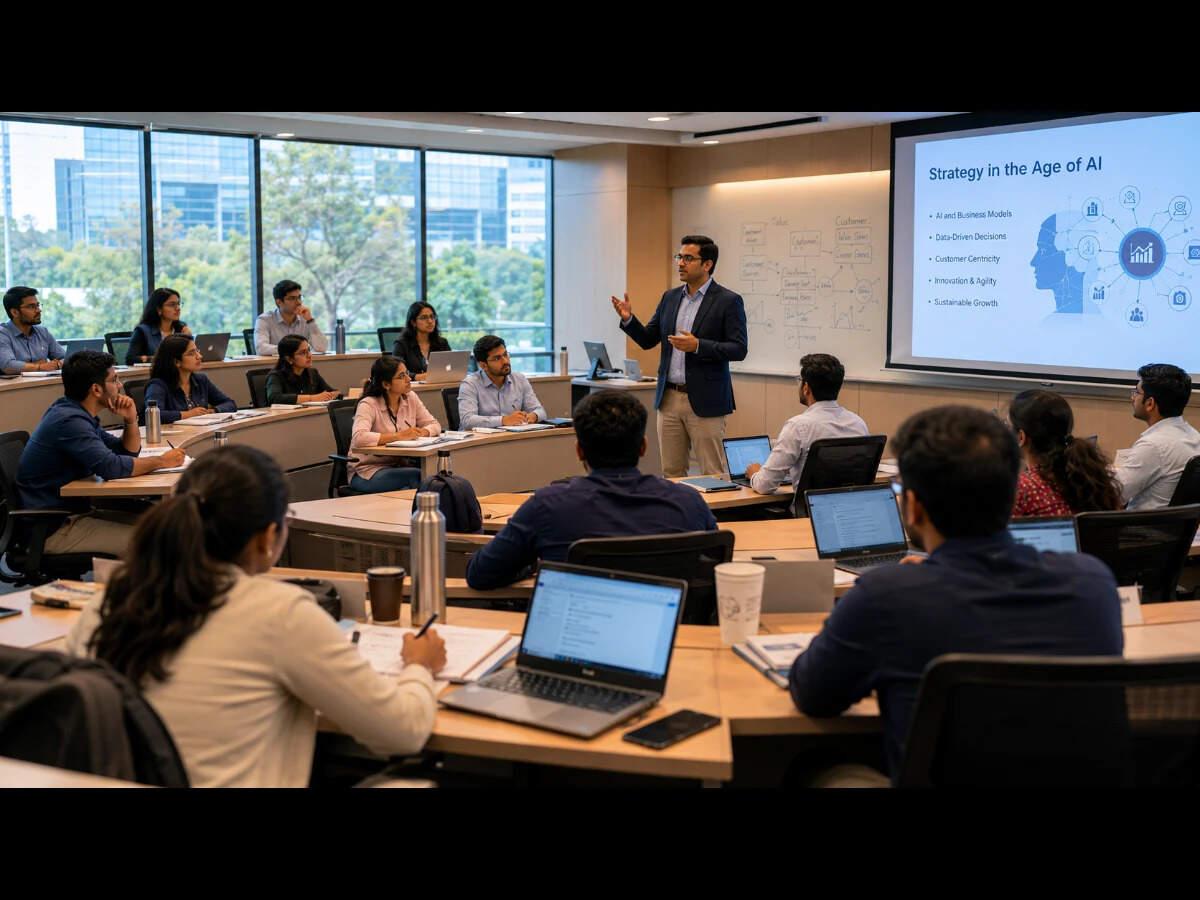
How Artificial Intelligence Is Changing the Future of Jobs in 2026
Artificial Intelligence (AI) is transforming the way people work, learn, and build their careers. From automated customer support to data analysis and content creation, AI tools are becoming increasingly common across industries.
For students and fresh graduates, understanding AI and its impact on employment can help them prepare for changing workplace expectations and future career opportunities.
1. The Growing Role of AI in the Workplace
Businesses are increasingly using AI to automate repetitive tasks, analyse large amounts of data, improve customer experiences, and support decision-making.
Industries such as healthcare, education, finance, marketing, manufacturing, and information technology are exploring different applications of AI to improve productivity and efficiency.
2. Will AI Replace Human Jobs?
AI can automate certain tasks, but its impact varies across occupations. Some jobs may change significantly, while others may involve new responsibilities and opportunities.
Human qualities such as creativity, empathy, communication, leadership, and critical thinking remain important in many professional roles.
Instead of focusing only on whether AI will replace jobs, students should understand how technology may change the skills required for different careers.
3. New Career Opportunities in the AI Era
The growing adoption of AI is creating demand for specialised technical expertise as well as professionals who can apply AI tools in business environments.
Some potential career paths include:
AI and Machine Learning Specialist
Data Analyst
Business Intelligence Analyst
Digital Marketing Specialist
Cybersecurity Professional
AI Product Manager
Technology Consultant
Automation Specialist
The qualifications and technical skills required vary depending on the role.
4. Essential Skills Students Should Develop
Students can prepare for a changing job market by building a combination of technical and interpersonal skills.
Important areas to focus on include:
Digital literacy and familiarity with AI tools
Data analysis and problem-solving
Communication and teamwork
Critical thinking and creativity
Adaptability and continuous learning
Professional ethics and responsible technology use
These skills can help students adapt to new tools and workplace requirements.
5. How Students Can Prepare for the Future
Preparing for an AI-driven workplace does not always require an advanced technical degree. Students can begin by learning the basics of AI, exploring relevant online courses, practising with appropriate tools, and completing practical projects.
They should also develop knowledge in their chosen field, whether it is business, engineering, commerce, healthcare, or another area.
Internships, certifications, and hands-on experience can help students demonstrate their abilities to potential employers.
6. The Importance of Education and Career Planning
Education plays an important role in helping students understand emerging technologies and develop job-ready skills.
When choosing a college or professional programme, students should consider the curriculum, practical training, faculty support, industry exposure, and opportunities to work on real-world projects.
Regularly updating skills and staying informed about industry developments can help students make better career decisions.
Conclusion
Artificial Intelligence is changing how businesses operate and how professionals perform their jobs. Although the future of work will continue to evolve, students who combine subject knowledge, digital skills, creativity, and adaptability can better prepare themselves for new opportunities.
The key is to remain curious, keep learning, and develop skills that complement emerging technologies.
At CERT Meerut, students can explore their educational goals and learn about available academic programmes through official institutional information as they plan their future careers.
.png)
