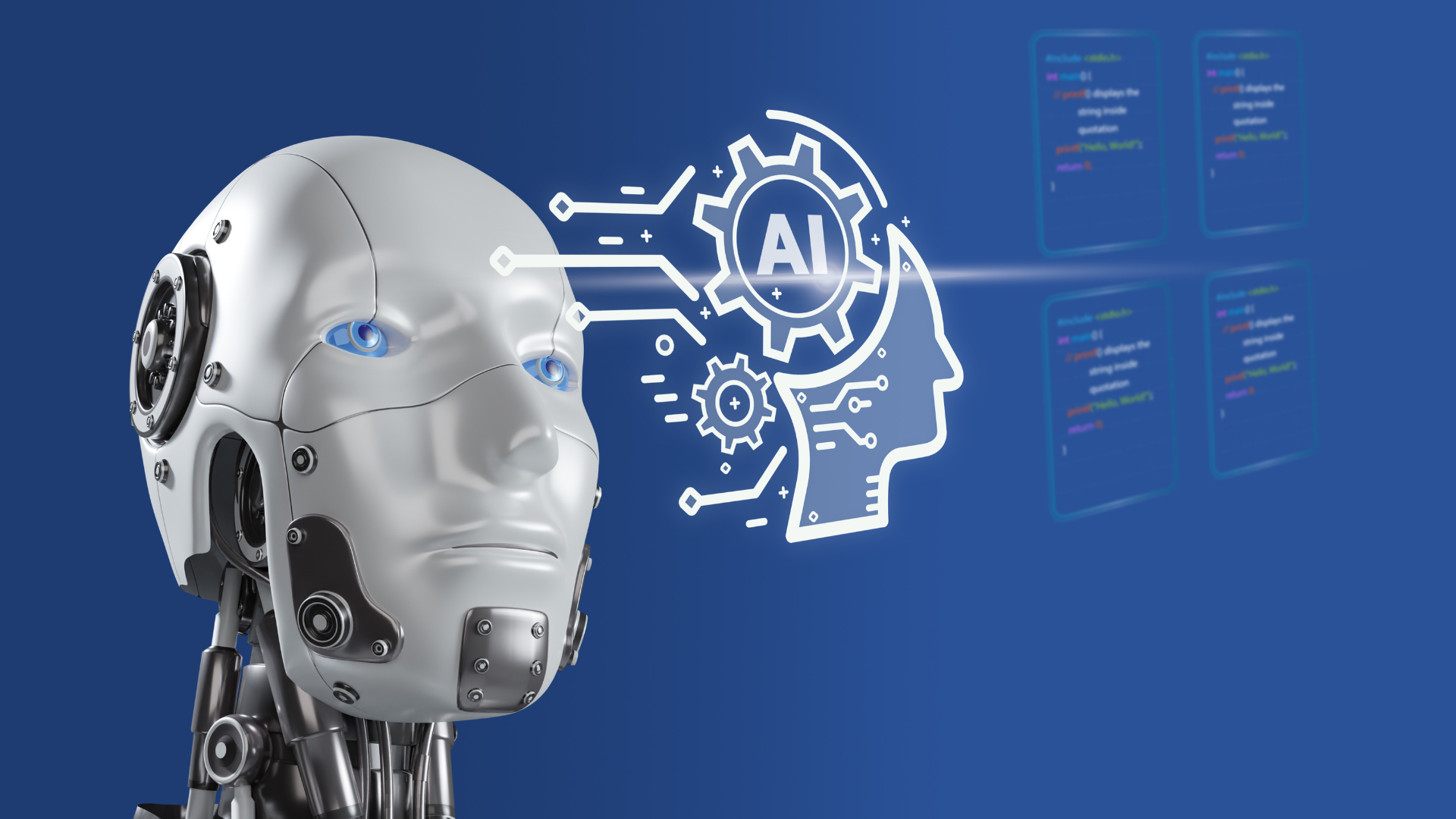
The Rise of Artificial Intelligence: Transforming Engineering Education in 2026
Artificial Intelligence (AI) has moved beyond being a futuristic concept and has become one of the most influential technologies shaping education, engineering and industry. In 2026, engineering education is experiencing a significant transformation as Artificial Intelligence and Machine Learning become increasingly integrated into classrooms, laboratories, research and professional applications.
For aspiring engineers, understanding AI is no longer limited to students pursuing computer science. AI is becoming relevant across mechanical engineering, civil engineering, electrical engineering, electronics, automobile engineering and other technical disciplines.
## How Artificial Intelligence Is Changing Engineering Education
Traditional engineering education has primarily focused on theoretical knowledge combined with practical laboratory experience. While these fundamentals remain important, AI is creating new possibilities for personalized learning, intelligent simulations, automation and data-driven education.
Engineering students can now explore complex problems using AI-powered tools and computational techniques. These technologies can help students understand concepts more effectively and develop problem-solving skills that are increasingly required by modern industries.
## AI and Personalized Learning
One of the major advantages of Artificial Intelligence in education is personalized learning.
AI-powered learning systems can analyze student performance and identify areas where additional support may be required. Students can use digital learning resources, intelligent tutoring systems and interactive platforms to strengthen their understanding of difficult subjects.
This approach can encourage students to learn at their own pace while helping educators understand different learning requirements.
## AI in Engineering Laboratories
Artificial Intelligence is also changing the way engineering students approach laboratory work.
Simulation software and AI-based tools can allow students to study engineering systems, test different parameters and analyze results before implementing physical experiments. This can make practical learning more interactive and help students understand the relationship between theoretical concepts and real-world applications.
For example, students working in areas such as mechanical engineering can explore automation and predictive maintenance, while civil engineering students can study data-driven approaches to construction planning and infrastructure management.
## Artificial Intelligence and Industry 4.0
The growth of AI is closely connected with Industry 4.0.
Modern industries are increasingly using technologies such as:
• Artificial Intelligence
• Machine Learning
• Internet of Things (IoT)
• Robotics
• Automation
• Big Data Analytics
• Cloud Computing
• Digital Twins
Engineering graduates who understand these technologies can be better prepared to work in technology-driven industrial environments.
Engineering education therefore needs to focus not only on traditional technical knowledge but also on digital skills, innovation and interdisciplinary learning.
## New Career Opportunities for Engineering Students
The growth of Artificial Intelligence is creating opportunities across multiple industries.
Students with engineering backgrounds can explore career areas such as:
• Artificial Intelligence and Machine Learning
• Data Analytics
• Robotics and Automation
• Smart Manufacturing
• Autonomous Systems
• Industrial IoT
• Software Development
• Predictive Maintenance
• Computer Vision
• Intelligent Transportation Systems
The combination of engineering fundamentals and digital technologies can provide students with a strong foundation for adapting to changing career requirements.
## The Importance of Practical Learning
Learning AI only through theoretical concepts is not enough. Engineering students should have opportunities to apply their knowledge through projects, practical assignments, simulations, research and industry-oriented activities.
Project-based learning can help students develop problem-solving, teamwork, creativity and analytical thinking skills.
Students can work on projects involving areas such as smart automation, intelligent machines, energy optimization, computer vision, predictive systems and data analysis.
## AI and the Future of Engineering
Artificial Intelligence is not replacing the importance of engineering fundamentals. Instead, it is becoming a powerful tool that engineers can use to solve increasingly complex problems.
Future engineers will need a combination of technical knowledge, digital skills, creativity, communication and adaptability.
Engineering institutions therefore have an important role to play in preparing students for this rapidly changing environment. By combining strong engineering fundamentals with emerging technologies, students can develop the skills required to contribute to innovation and industrial development.
## Conclusion
Artificial Intelligence is transforming engineering education and creating new possibilities for learning, research and professional development. In 2026 and beyond, engineers who understand AI and emerging digital technologies will be better positioned to adapt to changing industrial requirements.
For engineering students, this is an opportunity to learn, experiment, innovate and prepare for careers in a technology-driven world.
The future of engineering will not simply be about understanding machines and systems. It will increasingly involve understanding how intelligent technologies can be used to design better solutions for society and industry.